
Advocate for Rohingya
“We quickly hid in the mud, sitting down in the muddy water, and then another bomb exploded, killing my parents, sisters and many others”
The crisis
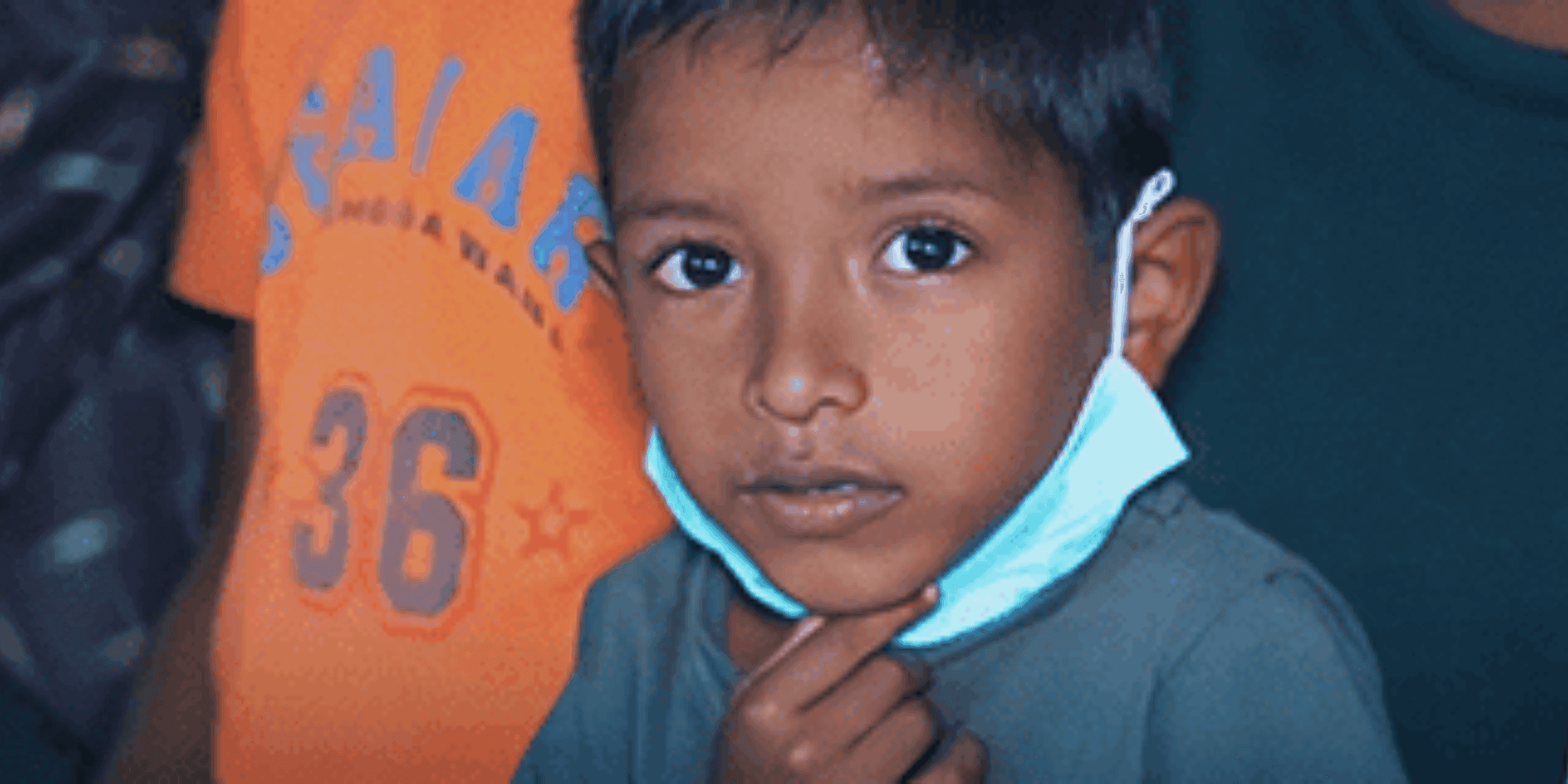
The Rohingya crisis is rooted in political oppression, social injustice, and human rights violations. Decades of persecution culminated in the 2017 genocide, when Myanmar’s military destroyed over 350 villages and killed around 13,000 people. The Rohingya Salvation Army formed in response to defend their community. Over 1.5 million Rohingya now live in overcrowded refugee camps in Bangladesh, while thousands have fled to Thailand, India, and Malaysia. Around 575,000 remain internally displaced in Myanmar, where the Arakan Army continues to persecute them in an ongoing campaign of ethnic cleansing.

Donate
Support our advocacy as well as our humanitarian work for Afghanistan.
Background: The Persecution of Rohingya Muslims in Myanmar
1824-1886 – Great Britain Invades Burma
Great Britain invades Burma multiple times resulting in three wars.
1886-1942 – Burma becomes a province of British-controlled India and is later separated into a British colony.
1942-1945 – Japanese Occupation
Japan invades British-controlled Burma during World War II. People in Burma support different sides of the invasion. Members of the Muslim Rohingya in Arakan fight alongside the British, and many Rakhine Buddhists side with the Japanese. Tens of thousands of people flee the violence to what is now Bangladesh.
1948 – Burmese Independence
Myanmar was under British occupation before formally gaining their independence in 1948. Arakan was divided between Burma and Bangladesh resulting in many Rohingyas being dispersed to neighbouring countries.
1962 – Ethnic cleansing
In 1962, Myanmar’s military seized power and began a state-sponsored campaign of ethnic cleansing against Rohingya Muslims because of their religion and ethnic differences. For years, the Myanmar government, especially its military has viewed the Rohingya as outsiders, disregarding their deep-rooted history and centuries-long presence in the country.
1970’s-1980’s - Displacement
In 1978 another campaign to ethnically cleanse Rohingyas from the land was administered, forcing over 250,000 Rohingyas to flee to Bangladesh. By 1982, a citizenship law had rendered the Rohingya stateless, stripping them of rights, restricting movement, and barring access to education and social services.
2017 – Genocide
The Burmese military burned down more than 354 villages and massacred an estimated 13,000 people, including entire families who were shot, beaten, or burned alive. In response, resistance groups such as the Rohingya Salvation Army emerged to fight for their right to live freely.
Present day -
Today, the Arakan Army (AA), a Buddhist ethno-nationalist group continue to persecute and make life unbearable for the Rohingyas living in Myanmar as an attempt to force them to flee and ethnically cleanse Rohingyas from Myanmar.


© Copyright 2026 Human Aid & Advocacy. All rights reserved. Registered Charity No. 1138111